Best Workbenches Compared: Top Picks for Garage Tool Storage
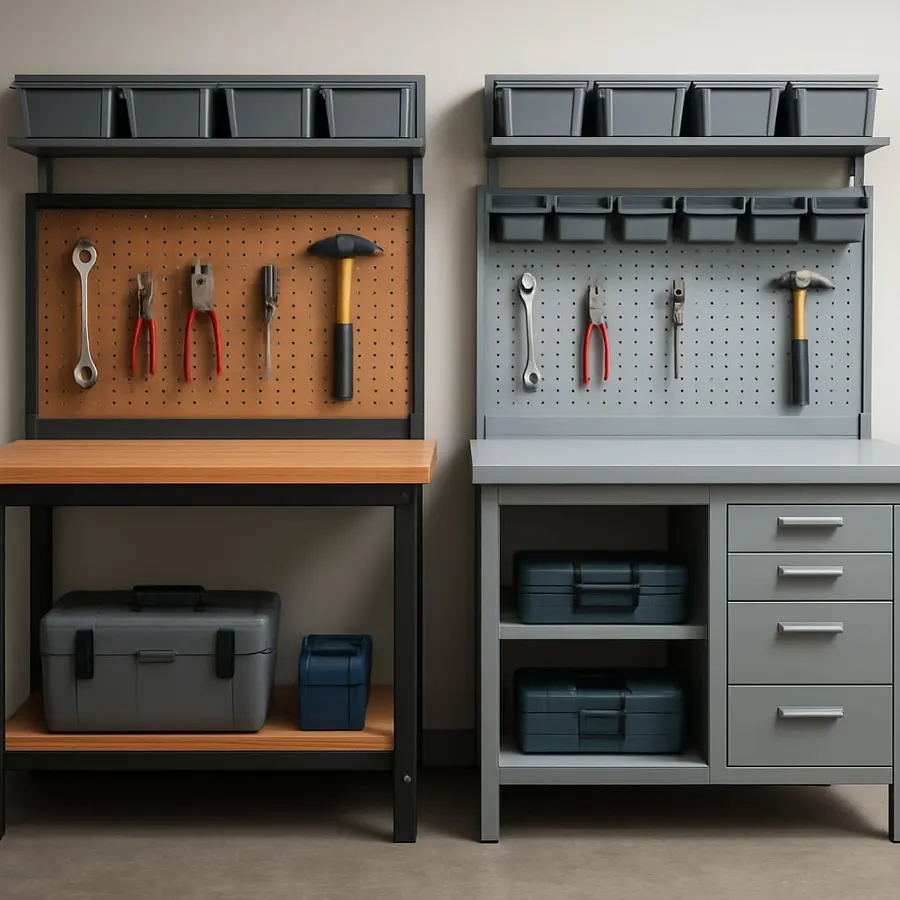
Comparing Top Solutions: Workbenches vs. Garage Tool Storage for the Ultimate Workspace
Creating a productive, organized, and safe environment for your projects and hobbies is essential for any enthusiast or professional. The right workspace solutions—specifically, the best Workbenches and Garage Tool Storage—can make all the difference. With a vast range of products on the market, choosing between these options can be daunting. This comparison guide offers a detailed analysis of these essential workspace elements, examining their benefits, applications, and ideal use cases. Whether you’re a craftsman, DIYer, mechanic, or hobbyist, the information below will help you make informed decisions that boost efficiency and enjoyment in your workspace.
Table of Contents
- Overview of Workbenches and Garage Tool Storage
- Key Features: What Sets Them Apart?
- Types and Variations: Customizing Your Workspace
- Material Matters: Durability and Longevity
- Organization and Capacity Comparisons
- Installation and Flexibility
- Safety and Ergonomics: Creating a Safer Workspace
- Cost-Efficiency: Investment Versus Value
- Use Cases: Who Benefits Most?
- Maintenance and Upkeep
- Conclusion: Selecting the Right Solution
Overview of Workbenches and Garage Tool Storage
Defining Workbenches
Workbenches are sturdy tables designed specifically for crafting, tinkering, repairing, and assembling various projects. The workbench has been a staple for centuries, evolving from simple wooden tables to highly functional units equipped with integrated storage, lighting, and power options. Whether you are woodworking, metalworking, electronics soldering, or general repairs, a quality workbench serves as the foundation for productivity.
Defining Garage Tool Storage
On the flip side, Garage Tool Storage refers to the systems, cabinets, chests, racks, and organizers specifically engineered to store, safeguard, and streamline access to tools and supplies. Modern garage tool storage solutions offer modularity, mobility, and a variety of customizations to fit any garage size or professional requirement. Their primary purpose is to minimize clutter, protect investments, and maximize efficiency.
Key Features: What Sets Them Apart?
Workbenches: Centralized Workspace Essentials
- Large, Flat Surface: Provides ample room for projects, layouts, and assembly.
- Integrated Storage: Many models offer drawers, shelves, pegboards, and bins for tool and part storage.
- Vise and Clamp Integration: Essential for secure work during precision tasks.
- Adjustable Height: Increases comfort and accommodates specific tasks.
- Specialized Surfaces: Such as anti-static mats for electronics, or metal tops for welding.
Garage Tool Storage: Organization and Accessibility
- Drawer and Cabinet Variability: From small drawer chests to massive multi-door cabinets.
- Portability: Many units are on wheels for easy movement around large spaces.
- Wall-Mounted Solutions: Includes slatwall panels, hooks, and smart modular racks.
- Security Features: Heavy-duty locks and reinforced structures protect valuable tools.
- Tool-Specific Storage: Foam inserts, organizers, and labels streamline tool access and inventory.
Types and Variations: Customizing Your Workspace
Types of Workbenches
- Traditional Wooden Workbenches: Classic designs best for woodworking and general use.
- Metal Workbenches: Often used in automotive or heavy-duty environments.
- Portable/Folding Workbenches: Ideal for limited space or on-the-go jobsites.
- Workbench Stations with Integrated Storage: Designed for compact workshops to maximize functionality.
- Specialty Benches: Electronic repair benches with anti-static surfaces, or jewelry benches with niche features.
Types of Garage Tool Storage
- Rolling Tool Chests: Highly mobile, ideal for dynamic mechanics and technicians.
- Wall Cabinets and Panels: Save floor space and allow for creative, customizable layouts.
- Freestanding Cabinets: Sturdy and lockable, for high-volume storage needs.
- Drawered Toolboxes: Versatile and stackable, from compact to industrial sizes.
- Hanging Racks and Organizers: For frequently used tools and accessories.
Material Matters: Durability and Longevity
Materials Used in Workbenches
Durability is key in any workspace. The choice of materials significantly influences lifespan, safety, and suitability for particular tasks.
- Solid Wood: Offers longevity, aesthetic appeal, and a forgiving surface for woodworking. Susceptible to dents and requires upkeep.
- Steel: Highly durable and strong, best for heavy-duty environments but may be louder and less forgiving on delicate items.
- Powder-Coated Finishes: Add extra resistance to wear and solvents.
- Composite or MDF: A budget-friendly, lighter alternative with decent strength for light-to-medium tasks.
- Specialty Surfaces: Stainless steel or ESD-safe laminates cater to niche uses like electronics or food industry work.
Materials in Garage Tool Storage
- Heavy-Gauge Steel: Provides maximum security and load capacity. Look for rust-resistance coatings for longevity.
- Aluminum: Lightweight, corrosion-resistant, suitable for mobile units.
- Plastic/Polypropylene: For lightweight, budget-friendly systems, but less secure and durable.
- Composite Panels: Occasionally used in hybrid designs for cost or weight savings.
Organization and Capacity Comparisons
Workbenches: Integrated but Limited Storage
While Workbenches often include some drawers, shelves, or pegboards, their primary focus remains providing a functional, durable surface. Thus, their built-in storage capacity is inherently limited when compared to dedicated storage systems. They work well in smaller workshops where space is at a premium but may be insufficient for extensive tool collections.
Key organizational features typically include:
- Shallow drawers for hand tools and hardware
- Modular bin racks for small parts (screws, nails, washers)
- Pegboards for easy access to frequently used tools
- Lower shelves or cabinets for larger equipment
Garage Tool Storage: Maximizing Capacity and Customization
Garage Tool Storage systems are built with scalability and capacity as top priorities. With deep, multi-sized drawers, adjustable shelves, and modular expansion options, these storage solutions cater to growing tool assortments. Features like foam cut-outs, customizable inserts, and bin dividers maximize organization, prevent loss, and reduce clutter.
Unique organization features:
- Large drawers capable of storing power tools, torque wrenches, or hammers
- Label-ready trays for sockets, screwdriver sets, and pliers
- Vertical storage panels to hang everything from clamps to extension cords
- Heavy-duty wheels for movable storage without compromising accessibility
- Integrated racks for spray bottles, lubricants, and specialty fluids
Installation and Flexibility
Workbenches: Setup and Adjustability
Most Workbenches offer easy assembly and can be placed wherever a flat, level space is available. Some models feature leveling feet for uneven floors, while portable units fold for vertical storage or transportation. Larger, built-in benches may require wall anchoring for added stability.
Flexibility is further enhanced by modular accessories: add-ons like lighting, power strips, vices, or shelves can be customized to personal needs.
Garage Tool Storage: Modular and Expandable Installation
Garage tool storage solutions are available as standalone, wall-mounted, or rolling units. Installation can range from simple (rolling chests) to more involved setups (wall cabinets or slatwall systems requiring stud mounting). The ability to scale, rearrange, and reconfigure modules lets you adapt your storage as your toolset or workspace evolves.
- Expandable wall panels support future add-ons
- Rolling cabinets support dynamic work environments
- Stackable systems utilize vertical space efficiently
For renters or those with temporary workshops, non-permanent solutions offer flexibility without damage to walls or floors.
Safety and Ergonomics: Creating a Safer Workspace
Workbenches: Focus on Stability and Comfort
Ergonomics play a critical role with Workbenches; an adjustable or at least appropriate height is vital for reducing fatigue and minimizing repetitive strain injuries. Heavier benches with wide feet provide enhanced stability during vigorous or high-torque activities. Corner protectors, rounded edges, and anti-slip surfaces further enhance safety.
Additional security can be added with vice locks for dangerous power tools, overhead lighting to reduce eye strain, and integrated cable management to prevent trip hazards.
Garage Tool Storage: Secure and Child-Safe
Storage systems with reinforced locks keep dangerous tools away from children or unauthorized users. Smooth-glide drawers with auto-closing features reduce finger injuries, while rounded, powder-coated corners limit bumps and scrapes. Wall-mounted or secured cabinets prevent tipping hazards—especially important in multi-use garages.
Labeling and compartmentalizing not only speed up work but also keep tools in predictable, secure places—reducing unnecessary reach or search-related accidents.
Cost-Efficiency: Investment Versus Value
Workbench Cost Considerations
Workbenches span an extensive price range, from budget-friendly portable models to professional-grade custom units. Factors influencing cost include material quality, size, integrated storage, and specialized features. A solid entry-level wooden bench may cost between $100-$300, while top-of-the-line industrial workbenches with full customization can reach $1,000 and above.
Return on investment is realized if the bench endures years of heavy use, supports varied projects, and reduces the need for workspace upgrades.
Garage Tool Storage Cost Considerations
Garage Tool Storage options similarly run from economical plastic boxes under $50 to $2,000+ for expansive steel cabinet systems. Evaluate not only the initial purchase cost but also included features, expandability, and security. Modular wall panels cost less upfront and can grow over time, offering a more manageable investment for growing workshops.
A robust storage solution pays for itself by preventing tool damage, loss, and time wasted searching for items.
Use Cases: Who Benefits Most?
Best Workbench Applications
- Woodworkers: Precise joinery, clamping, and finishing tasks demand a solid, accessible benchtop.
- DIY Homeowners: Tackling household repairs, crafts, or garden tool maintenance.
- Electronics Enthusiasts: Anti-static benches for safe soldering and small part handling.
- Students and Tinkerers: A dedicated learning/experiment space free from distractions.
Best Garage Tool Storage Applications
- Automotive Professionals: Large inventories of wrenches, sockets, power tools, and diagnostic equipment require safe, organized storage.
- Multi-User Workspaces: Shared environments benefit from labeled, compartmentalized storage to prevent tool mix-ups or loss.
- Collectors and Hobbyists: Protection for specialty tools or collections.
- Workshops with Limited Floor Space: Wall-mounted units make the most of vertical surfaces.
Maintenance and Upkeep
Workbenches: Care and Longevity
Proper workbench maintenance is dependent on materials and usage frequency. Clean wooden surfaces with appropriate oils or wax to prevent warping. Tighten bolts and check fastenings annually. Metal benches require occasional rust checks and cleaning with non-corrosive agents.
Replace or upgrade accessories like bench mats, vises, or lighting as needed to keep up with shifting project needs.
Garage Tool Storage: Clean and Organized
Tool chests and cabinets benefit from periodic oiling of hinges and drawer slides. Perform regular inventory checks; missing or misplaced tools can upset workflow, so updating labels and organizing new acquisitions is crucial. Keep interior foam or liners clean and dry to prevent mold or corrosion.
For mobile units, check caster wheels and brakes to ensure reliable movement and station locking.
Conclusion: Selecting the Right Solution for Your Needs
Choosing between Workbenches and Garage Tool Storage comes down to your specific project needs, workspace constraints, and long-term ambitions. If your priority is a stable surface for assembly and hands-on work, a quality workbench—with modest storage—may be ideal. For those managing expansive tool collections or operating in dynamic, multi-user environments, investing in comprehensive garage tool storage provides unparalleled organization, security, and adaptability.
Frequently, the best answer is a smart combination of both: a durable workbench for creation and repair, supplemented by scalable, secure storage to keep your essential tools at arm’s reach yet organized. Start by assessing your current pain points—be it surface area, clutter, or daily tool searches—and aim to resolve them with the features outlined above.
Ready to transform your workspace? Explore our curated selection of Workbenches and Garage Tool Storage solutions and take the first step towards a safer, more organized, and more efficient workshop. Visit our online store or contact our experts for personalized recommendations tailored to your space, needs, and budget. Your dream workspace is just a decision away—start building it today!