Garage Fishing Rod Storage vs Garage Bike Storage: Best Solutions Compared
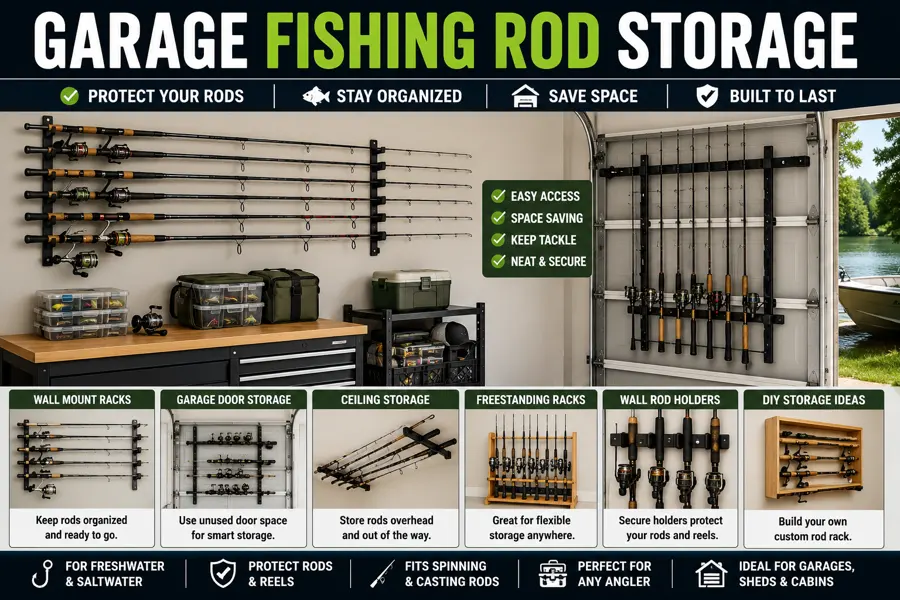
Garage Storage Solutions: Comparing Fishing Rod and Bike Storage Systems
For many homeowners, the garage is more than just a place to park cars—it's a versatile space that serves as a workshop, storage area, and even a recreation hub. However, without effective organization, the garage can quickly become a cluttered mess, making it challenging to find or safely store your recreational equipment. Two of the most common and space-consuming items are fishing rods and bicycles. In this comprehensive comparison, we will delve into the best practices, products, and approaches for Garage Fishing Rod Storage and Garage Bike Storage. We’ll examine their unique storage requirements, popular solutions on the market, essential design considerations, and practical tips for maximizing your garage space. Whether you’re an avid angler, a cycling enthusiast, or simply looking to reclaim order in your garage, this guide is designed to help you make an informed decision and optimize your storage strategy.
Understanding the Challenges: Fishing Rods vs. Bicycles
Fishing Rods: Fragility and Vertical Space
Fishing rods are precision tools that can be costly to replace. Their slim, elongated design makes them susceptible to warping, bending, and breaking if not handled with care. Additionally, hooks, lines, and reels present tangling hazards and can be easily damaged or create garage hazards if not properly secured. Unlike bulky items, fishing rods demand specialized holders that support their length and fragility while keeping them easily accessible and safely out of the way.
Bicycles: Bulk, Weight, and Frequent Access
Bikes, on the other hand, are heavy and take up significant floor space. With their complex shapes, numerous models (mountain, road, children’s, and electric bikes), and the need for regular access, storing bikes is a logistical challenge. Proper Garage Bike Storage solutions must address wall or ceiling mounting, weight distribution, ease of use, and protection against scratches or dings, all while maximizing the available space.
Key Features to Consider: Comparing Storage System Requirements
Safety First
Both fishing rods and bikes can pose safety hazards if improperly stowed—rods can snap or create tripping hazards, while bikes can topple and cause injury or damage. Any storage solution should prioritize stable anchoring and smooth retrieval to minimize risks.
Accessibility
For both hobbies, accessibility is key. Enthusiasts want to get out on the water or road quickly and without frustration. Rod racks and bike racks that require unloading multiple items to reach the one they want can be inconvenient.
Protection from Environmental Factors
Humidity, dust, and temperature fluctuations in the garage can shorten the life of both fishing rods and bikes. Solutions that keep gear off the floor and allow air circulation are preferable, protecting your investment year-round.
Space Efficiency
Garage real estate is precious, so solutions that use vertical or ceiling space, and adapt to the available layout, are ideal. Multi-item racks for both bikes and rods help reduce clutter and reclaim your garage for other uses.
Comparing Popular Storage Systems: Features, Pros, and Cons
1. Wall-Mounted Racks
-
Fishing Rods: Wall-mounted fishing rod racks typically consist of horizontal or vertical brackets with individual slots for each rod. They can accommodate multiple rods, keep them safely separated, and are often made from wood, metal, or high-density plastic.
Pros: Easy to install; keeps rods visible and accessible; protects against tangling.
Cons: Requires wall space; may not fit oversized rods or combos with attached reels. -
Bikes: Wall-mounted bike racks use hooks or cradles that support the bike by the frame or wheels. Some versions hold bikes horizontally, while others hang them vertically to maximize space.
Pros: Frees up floor space; adjustable designs fit various bike sizes; can be installed at convenient heights.
Cons: Lifting bikes onto hooks may be challenging for heavier models or smaller users.
2. Ceiling-Mounted Systems
-
Fishing Rods: Overhead rod racks suspend rods from the ceiling, using clips or bungee-style hold-downs. This method utilizes otherwise wasted space and is excellent for long-term storage.
Pros: Completely frees up wall and floor space; accommodates long rods; protects from accidental bumps.
Cons: May require a ladder for access; installation must be secure to prevent rods from falling. -
Bikes: Ceiling hoist systems use pulleys or winch mechanisms to lift bikes overhead, which is especially useful for garages with high ceilings.
Pros: Maximizes available space; safe for seasonal storage; reduces bike clutter.
Cons: Retrieval can be cumbersome for frequent riders; not ideal for children or users with limited mobility.
3. Freestanding Storage Racks
-
Fishing Rods: Freestanding rod racks are portable and require no installation. They usually have holders for each rod and spaces for tackle boxes, reels, and tools.
Pros: Highly flexible; can be moved as needed; good for renters or those with unfinished garages.
Cons: Uses floor space; can tip if overloaded or bumped. -
Bikes: Floor-to-ceiling tension stands or rack towers hold one or more bikes upright without mounting hardware. Some come with additional hooks for helmets or accessories.
Pros: Versatile placement; easy to install and move; no wall or ceiling modification required.
Cons: Takes up floor area; may not support very heavy bikes.
4. Multi-Function Organizers
-
Fishing Rods: Some storage systems combine rod holders with shelving for tackle, nets, life jackets, or boots, creating an all-in-one fishing station.
Pros: Centralizes fishing gear; reduces time searching for accessories; customizable.
Cons: Larger footprint; custom units can be expensive. -
Bikes: Bike-specific storage centers include shelves, bins, and hooks for cycling shoes, helmets, and tools.
Pros: Complete organization solution; adds value to garage; keeps everything at hand.
Cons: May require professional installation; space limitations.
Product Examples: Top Options for Garage Fishing Rod Storage and Garage Bike Storage
Garage Fishing Rod Storage: Leading Products
-
Rush Creek Creations 16-Rod Rack:
Freestanding and designed for up to 16 rods, this model features cushioned inserts and a sturdy base.- Why it's great: Ideal for serious anglers, offers easy access and neat organization for multiple rods.
-
Plano Jumbo Airliner Telescoping Rod Case:
A protective case for long-term and travel storage, perfect for rare-use rods.- Why it's great: Provides superior protection; not just for garages but travel, too.
-
Berkley Vertical Wall Rack:
This simple wall-mounted solution holds up to 6 rods and is easy to mount almost anywhere.- Why it's great: Reliable, affordable, and space-saving for casual anglers with a few prized rods.
Garage Bike Storage: Leading Products
-
Saris Cycle Glide Ceiling Rack:
Innovative ceiling system that slides bikes laterally after hoisting, maximizing ceiling storage.- Why it's great: Excellent for garages with multiple bikes and limited wall space.
-
Delta Cycle Leonardo Da Vinci Wall Mount:
A popular vertical wall hook that supports bikes by the wheel, with a tire tray to protect the wall from marks.- Why it's great: Simple, effective, and affordable—a favorite for home users.
-
Feedback Sports Velo Column:
A tension-mounted, freestanding post that holds two bikes (expandable to four), suitable for renters or those who don’t want to drill into walls or ceilings.- Why it's great: No drilling; adjustable arms; clean, modern design.
Design Considerations: Choosing the Right Storage for Your Needs
Assessing Your Gear Inventory
Start by documenting the type and number of fishing rods and bikes you need to store. Take measurements of the rods (including attached reels) and all bikes (wheelbase, width, and height). For multi-user households, consider growth—children’s bikes might quickly become adult bikes, and your fishing collection may expand over time.
Evaluating Your Garage Layout
Draw a floor plan or take photos of your garage. Note the locations of doors, windows, power outlets, shelving, and any existing storage. Identify open wall space, ceiling joists, and unused floor areas. This evaluation will help you choose between wall, ceiling, and freestanding solutions, or a combination thereof.
Installation Skills and Tools
Consider your comfort level and available tools. While some systems require only a screwdriver and basic measuring tape, others may involve drills, wall anchors, or even professional installation. Select a solution that matches your DIY skills or be ready to hire help for heavy-duty or custom installations.
Aesthetic Preferences
Your garage can also reflect your style. Do you prefer the clean, minimalist look of hidden ceiling storage, or are you proud of your gear and want it on display? Many modern racks come in stylish finishes to complement your space rather than detract from it.
Budget Realities
Garage storage products range from inexpensive wall hooks to custom, built-in storage centers costing hundreds or even thousands of dollars. Prioritize your needs, make a list of must-have features, and explore a range of options before making your investment. Remember, well-chosen storage systems can increase home value and save on future gear replacement costs.
Installation and Maintenance Tips
Installation Strategies
- Use Studs and Solid Anchoring: For wall-mounted racks and hooks, always anchor into wall studs or use heavy-duty drywall anchors to ensure your storage is safe and durable.
- Modular Systems for Changing Needs: Consider modular or expandable systems that allow you to add more racks or hooks as your collection grows.
- Leave Clearance Space: Allow enough space around and between storage areas so you can remove and return items without bumping or scratching them.
- Plan for Growth: Install racks or hooks higher or wider than you think you'll need, giving space for future acquisitions or upgrades.
Routine Maintenance
- Regularly inspect all hardware and fasteners for looseness, corrosion, or wear.
- Clean racks and rods/bikes periodically to remove dust, cobwebs, and garage debris.
- In humid or coastal environments, add dehumidifiers or silica packets to rod holders to prevent rust and mold.
- For bikes, periodically check tire pressure and lubricate moving parts—even while in storage—for smooth return to the road.
Best Practices for Combining Gear Storage
If you enjoy both fishing and cycling, you can design a garage system that caters to both hobbies. Place bulkier Garage Bike Storage towards corners or along long, unobstructed walls, reserving ceiling space for Garage Fishing Rod Storage. Use color-coded hooks or labels for easy identification, and cluster accessories in adjacent bins or shelves for a streamlined, grab-and-go process. Investing in a unified storage solution upgrades your garage’s utility and resale value, impresses visitors, and keeps your beloved gear in peak condition.
Environmental and Safety Considerations
Consider temperature and humidity fluctuations in your garage, especially if you live in extreme climates. Fishing rods and certain bike components (such as leather seats, tires, or carbon frames) can degrade quickly with exposure to dampness or baking heat. If possible, choose storage that enhances airflow and situate sensitive items away from windows or vents.
Finally, always place heavier bikes or racks on the bottom of multi-level systems, and keep sharp hooks and lures in covered containers or high shelving out of children’s reach. For multi-user households, label racks (“Dad’s Bike,” “Kayla’s Rods”) or use color coding to encourage careful, shared organization.
Comparative Summary: Garage Fishing Rod Storage vs. Garage Bike Storage
| Feature | Garage Fishing Rod Storage | Garage Bike Storage |
|---|---|---|
| Typical Product Types | Wall/ceiling racks, freestanding, combo organizers | Wall hooks, ceiling lifts, freestanding towers, modular centers |
| Material Considerations | Wood, plastic, steel (with padding for rods) | Heavy-duty steel, aluminum, padded arms |
| Primary Storage Orientation | Horizontal, vertical, overhead | Vertical, horizontal, overhead, tension-based |
| Installation Complexity | Low to medium (mostly lightweight) | Low to high (some heavy lifting/mechanics) |
| Customizability | Highly customizable (for number/type of rods) | Medium/high (bike number/size compatibility) |
| Ideal For | Fishing enthusiasts, families, occasional anglers | Single riders, families, cycling clubs |
| Main Challenges | Tangling, fragility, small part loss | Weight, space usage, frequent access needs |
Conclusion: Choosing and Implementing the Best Storage Solution
Reclaiming your garage is not only about decluttering—it’s about supporting your lifestyle, protecting your investments, and making every adventure start and end smoothly. Both Garage Fishing Rod Storage and Garage Bike Storage require specific, well-thought-out solutions, backed by quality products and strategic placement. Wall-mounted racks, clever ceiling systems, and freestanding organizers all play a valuable role, and the best choice depends on your unique space, collection, and priorities.
Take the time to assess your gear and available space, set a reasonable budget, and choose durable, reputable products that offer flexibility for growth. Maintaining your organized system can be as simple as setting up regular cleaning routines and safety checks, ensuring your favorite activities remain hassle-free for years to come.
Explore our online store’s curated range of Garage Fishing Rod Storage and Garage Bike Storage products—designed for enthusiasts by enthusiasts. Upgrade your garage today, and enjoy the satisfaction of a tidy, functional space that truly supports your hobbies. Ready to organize? Browse our most popular storage solutions, or contact us for expert advice tailored to your needs!