Garage Organization How-to Guide: Transform Your Space Efficiently
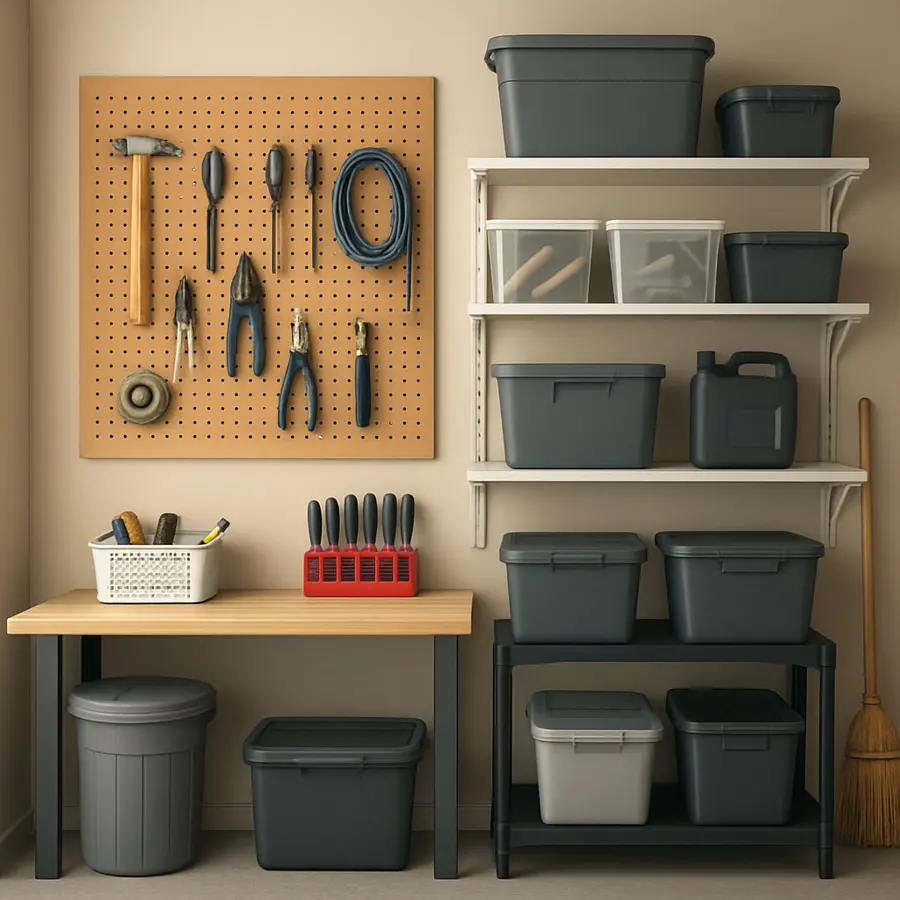
The Ultimate How-To Guide for Garage Organizaton: Transform Your Space for Efficiency
An organized garage is more than just aesthetically pleasing—it's essential for maximizing space, boosting productivity, and protecting your investment in tools and equipment. Whether you are a devoted DIY enthusiast, an avid gardener, or simply trying to reclaim a cluttered area, mastering Garage Organizaton can transform your garage into a streamlined, functional workspace.
In this comprehensive how-to guide, we’ll walk you through the process, step by step, to achieve a garage that is not only tidy but optimally arranged for everyday convenience. By following these proven strategies and investing in the right organizational systems, you'll enjoy an uncluttered space that meets your household’s diverse needs.
Table of Contents
- Why Garage Organizaton Matters
- Step 1: Assess Your Space and Needs
- Step 2: Sort and Purge Unnecessary Items
- Step 3: Create Zones for Functionality
- Step 4: Choose Effective Storage Solutions
- Step 5: Maintenance for Ongoing Success
- Conclusion and Next Steps
Why Garage Organizaton Matters
Proper Garage Organizaton delivers a multitude of benefits that go far beyond just aesthetics. Here’s why investing time and effort into this process is essential:
- Maximize Usable Space: Organization unlocks valuable square footage, allowing you to use your garage for vehicles, hobbies, or efficient storage.
- Increase Productivity: With tools and supplies easily accessible, you’ll save time on every project.
- Enhance Safety: Clutter can be hazardous. A well-organized garage reduces tripping risks and protects delicate items.
- Protect Investments: Proper storage helps keep your equipment, gear, and tools in top condition and easy to locate.
- Boost Property Value: Clean, organized garages have been shown to positively influence home value and buyer impressions.
Step 1: Assess Your Space and Needs
The first step to garage organization success is to gain a clear understanding of your existing space and what you require from it. Ask yourself the following questions:
- How do I currently use my garage?
- What are my primary and secondary storage needs?
- Do I need extra workspace, storage for specific hobbies, or accessibility for vehicles?
- Which tools and items must be within reach, and which can be stored away?
Once you understand your requirements, measure your garage’s dimensions and take note of any obstacles such as water heaters, steps, or access doors. Draw a rough layout or use an app to mark storage zones and designate traffic flow areas.
Step 2: Sort and Purge Unnecessary Items
Clutter is the enemy of organization. Begin by removing everything from your garage so you can start with a blank slate. Sort all items into categorized groups such as tools, gardening, sports equipment, holiday décor, and automotive supplies.
For each item, decide whether to:
- Keep: Essential, frequently used, or sentimental items fall into this category.
- Donate/Sell: Items that are functional but no longer needed can find new homes.
- Recycle/Dispose: Safely discard broken or obsolete items, following local waste management guidelines.
Be ruthless during this process. The more you let go, the easier it will be to maintain a streamlined organizational system. If you’re struggling, set realistic goals and tackle the project zone-by-zone or in stages.
Step 3: Create Zones for Functionality
A well-organized garage uses clearly defined zones to keep items accessible and prevent future clutter. Establishing zones tailored to your household’s needs ensures everything has a designated spot. Common zones include:
- Tool Zone: Store frequently used hand and power tools together near your workbench.
- Sports Zone: Dedicate a spot for bikes, rackets, balls, and seasonal sports gear.
- Gardening Zone: Place garden tools, potting supplies, seeds, and fertilizers in a single area.
- Automotive Zone: Keep car care products, oils, and accessories neatly grouped.
- Seasonal Storage: Store holiday decorations and off-season items in labeled bins on higher shelves.
Design zone placement based on proximity and convenience—keep everyday items within reach and seasonal or infrequently used items higher up or in less accessible locations.
Step 4: Choose Effective Storage Solutions
Investing in the right storage systems is critical for maintaining Garage Organizaton. Optimize your space with a variety of options:
Wall-Mounted Systems
- Pegboards: Ideal for tools and small accessories, pegboards keep essentials visible and within easy reach.
- Slatwalls: Flexible and durable, slatwalls allow you to move hooks, baskets, and shelves as needs change.
- Wall Shelving: Sturdy shelves maximize vertical storage, freeing up floor space for vehicles or larger items.
Overhead Storage
- Ceiling Racks: Store bulky or lightweight rarely-used items such as holiday decorations or camping gear safely above the traffic zone.
Cabinets and Drawers
- Lockable Cabinets: Safeguard chemicals, paints, or valuable items by securing them away from children and pets.
- Drawer Units: Organize small tools, hardware, or craft supplies for quick access.
Specialty Storage
- Bike Racks and Hooks: Keep bikes off the ground and reduce trip hazards.
- Bin Systems: Clear or labeled bins let you easily identify contents, making retrieval and replacement quick and hassle-free.
Remember to label everything clearly and consider color-coding for quick identification. Choose modular storage options that can evolve with your family’s needs.
Step 5: Maintenance for Ongoing Success
A functional garage is a maintained garage. Prevent future clutter and chaos by implementing these simple habits:
- Regular Audits: Set a schedule—monthly, quarterly, or biannually—to check for unused or out-of-place items.
- One-In, One-Out Rule: For every new item added, remove one you no longer use.
- Quick Resets: Spend a few minutes every week returning items to their designated zones after projects or activities.
A small, consistent effort will help you sustain your new system for the long haul and ensure your investment in Garage Organizaton continues to pay off.
Conclusion and Next Steps
Start by removing broken, expired and unneeded items, then use the garage storage zone planning guide to map vehicle clearance, fixed obstacles, access frequency and the correct location for each activity.
Once the layout is measured, compare the garage organization collection for storage that fits the plan. A defined zone and capacity limit will do more for long-term organization than adding another unplanned shelf or bin.